The Great Ocean Road is one of Australia’s most famous road trips, stretching 243 km along Victoria’s stunning coastline. While you can technically do it in a day, taking your time and staying overnight allows you to fully take in the breathtaking views, charming coastal towns and hidden gems along the way. If you’re planning your trip, this guide highlights the best overnight stops on the Great Ocean Road.
If you’re starting your Great Ocean Road trip from Melbourne, there are several tour operators that offer guided road trips that include overnight stays in the most scenic coastal towns.
1. Torquay – The Gateway to the Great Ocean Road
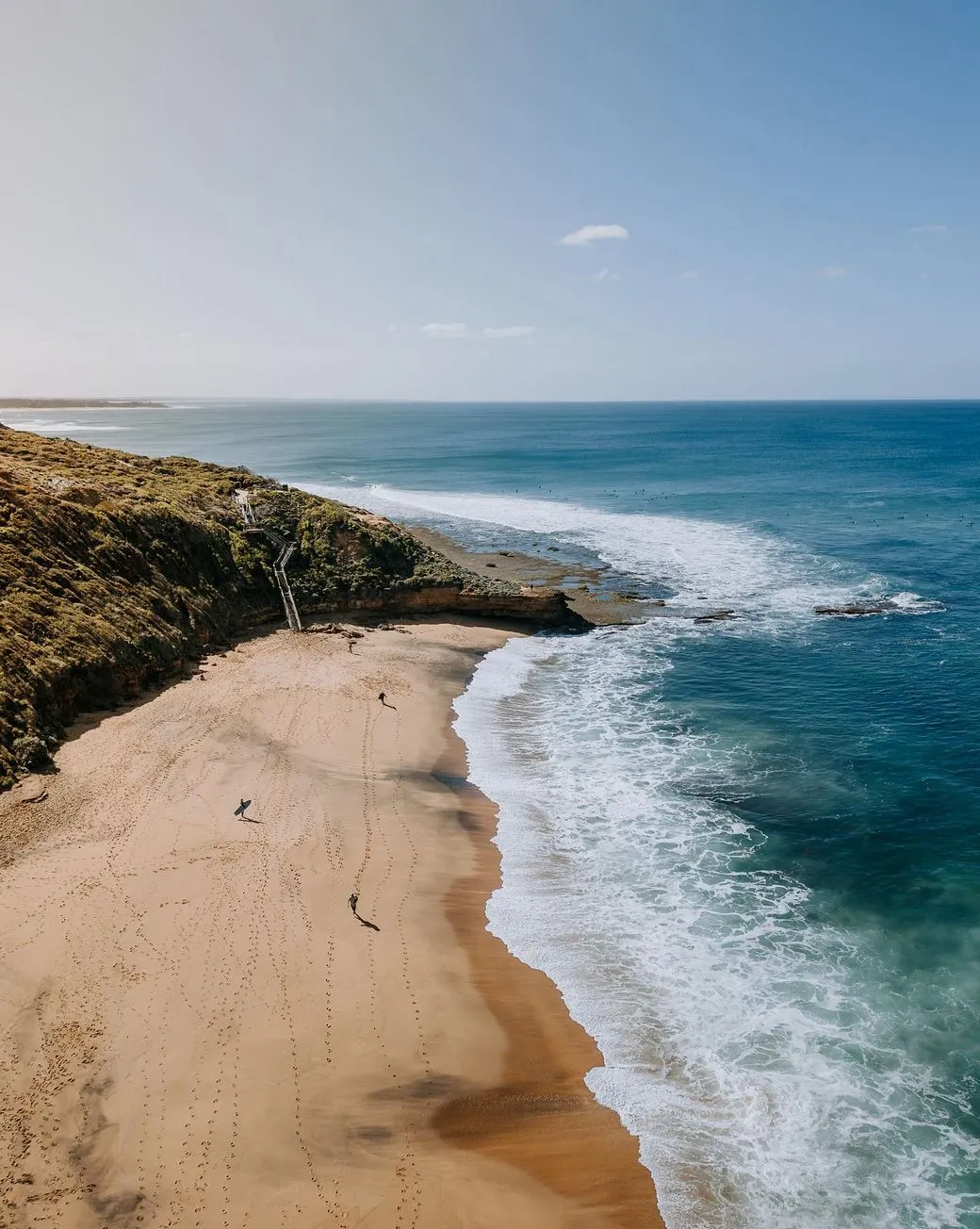
Best for: Surfers and beach lovers
Torquay is the official start of the Great Ocean Road and a great place to spend your first night. Known as the surfing capital of Australia, it’s home to famous beaches like Bells Beach and Jan Juc. You can visit the Australian National Surfing Museum, take a coastal walk along the rugged coastline or enjoy a relaxed evening at a beachfront café soaking up the views of the golden sands. The surf coast here is perfect for those who want to experience beachy vibes with great views.
If you want a scenic drive, the coastal road from Torquay to Lorne has plenty of spots to stop and take in the views along the way. Many Great Ocean Road tours from Melbourne make their first stop in Torquay before continuing along the coastal route.
Where to Stay:
- RACV Torquay Resort (luxury)
- Torquay Foreshore Caravan Park (budget/family-friendly)
2. Lorne – A Beachy Retreat
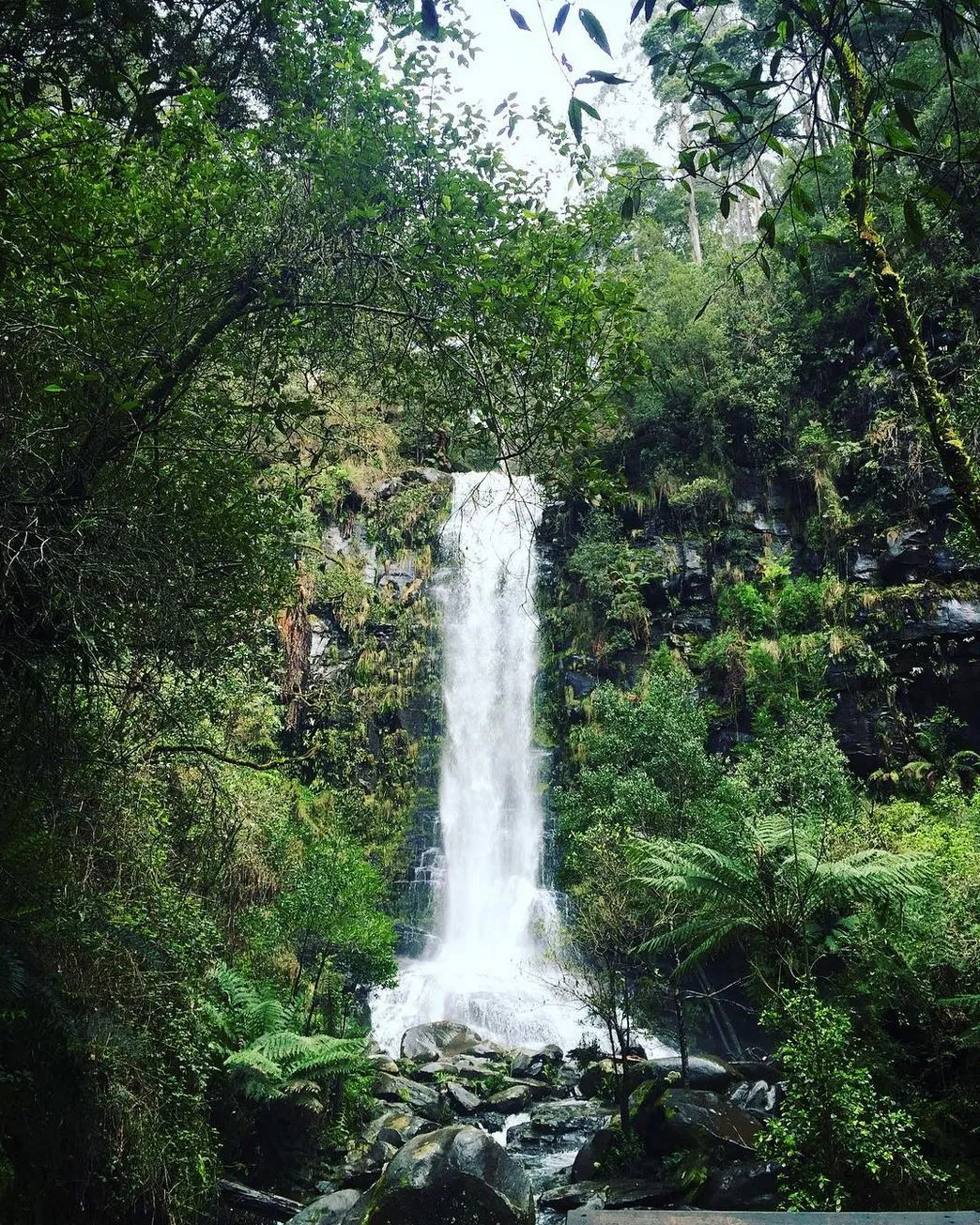
Best for: Relaxing beaches, lookouts and cafes
Lorne is one of the most popular towns on the Great Ocean Road, with a mix of beautiful beaches, rainforests and an arts scene. Spend the day at Lorne Beach, visit Erskine Falls – an impressive waterfall hidden in the rainforest – or take in the views from Teddy’s Lookout. The village atmosphere here is perfect for overnight stays.You can’t visit Lorne without exploring the forest trails and nearby rock formations. With its beaches and village centre, Lorne is a big town with plenty of accommodation options. If you’re on a Great Ocean Road tour from Melbourne you’ll probably stop for lunch or sightseeing here before continuing on.
Where to Stay:
- Cumberland Lorne Resort (luxury)
- Lorne Foreshore Caravan Park (budget/family-friendly)
3. Apollo Bay – The Heart of the Great Ocean Road
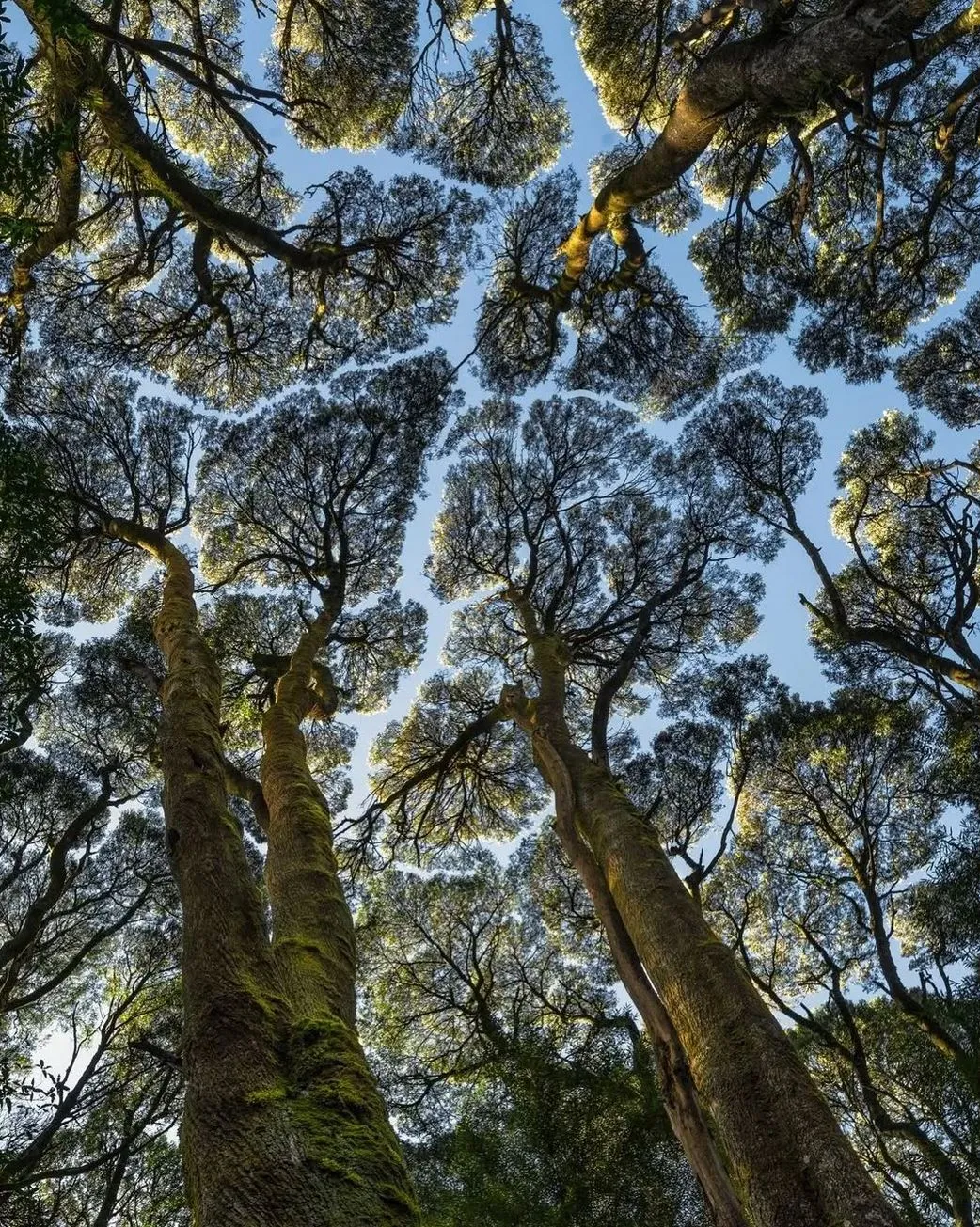
Best for: Seafood, scenic drives, and the Otways
Midway along the coast, Apollo Bay is a great overnight spot with access to the Otway Ranges. Enjoy fresh seafood at local restaurants, take a walk along the harbour or venture into Great Otway National Park to find waterfalls, ancient rainforest and native wildlife. This seaside town is a great base to explore nearby attractions like Maits Rest, a return walk through a forest of giants and ferns.
For nature lovers, Apollo Bay is an ideal place to stay for 2 nights to explore the whole time. The rainforest, waterfalls and scenic drives make this one of the most beautiful spots on the road. Many Great Ocean Road tours stay overnight in Apollo Bay so you can really get into the natural beauty of the region.
Where to Stay:
- Captains at the Bay (luxury boutique)
- Apollo Bay Eco YHA (budget/backpacker)
4. Port Campbell – Close to the Twelve Apostles
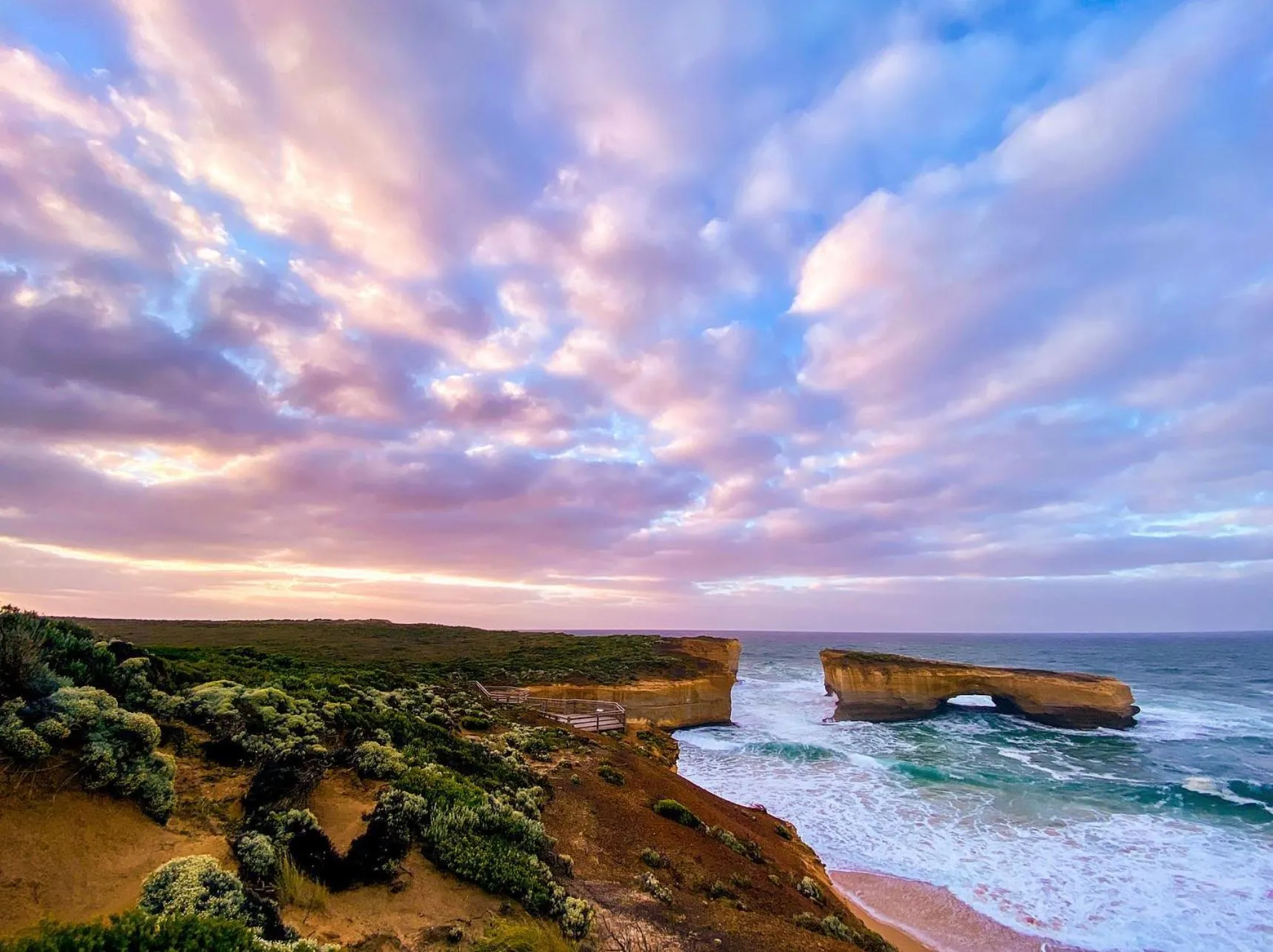
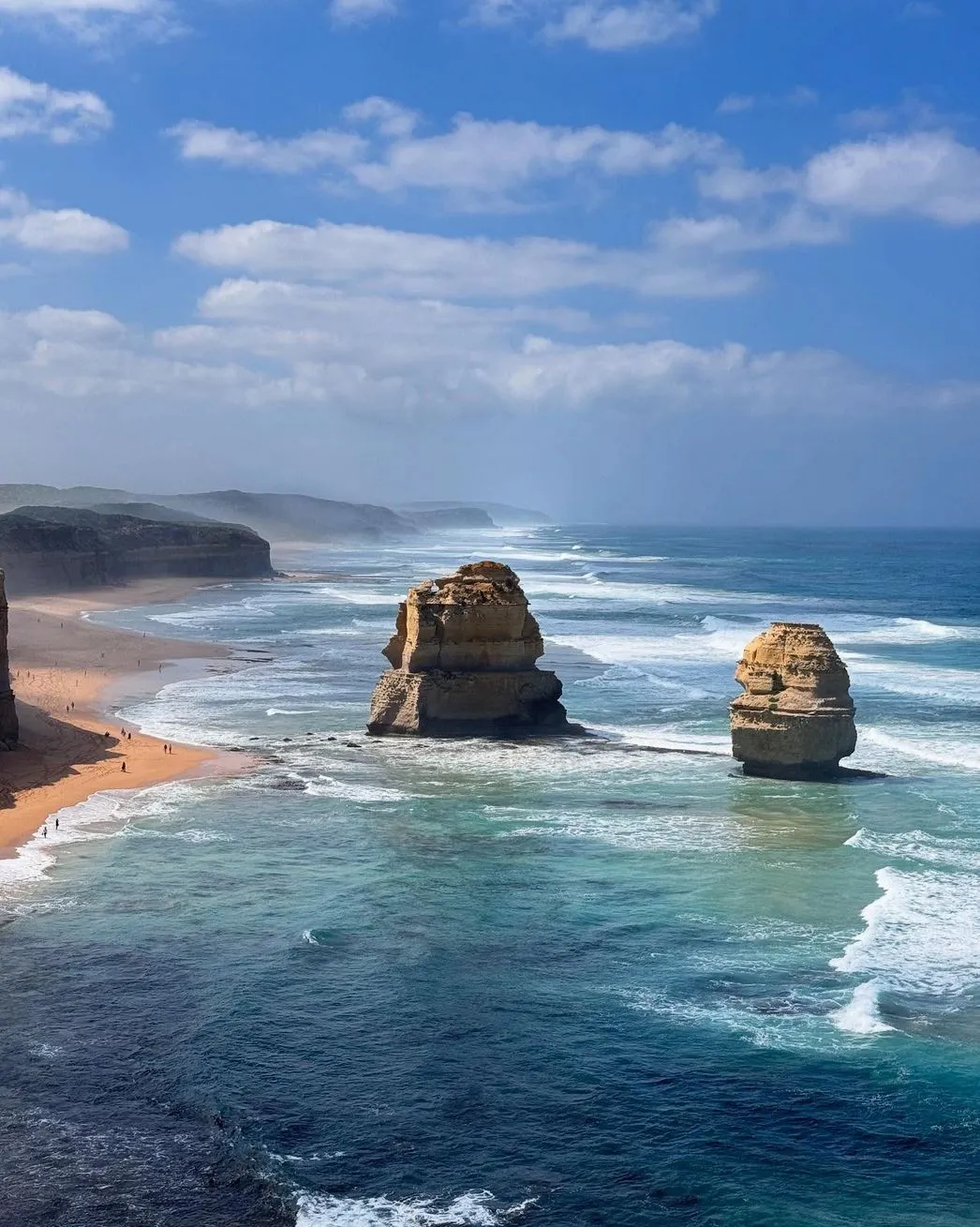
Best for: Iconic rock formations, photography and a peaceful spot to chill
Port Campbell is the perfect place to stay if you want to see the Twelve Apostles at sunrise or sunset. Nearby attractions include Loch Ard Gorge, London Bridge, The Grotto and the stunning limestone cliffs along the rugged coastline. The town itself is a charming seaside village with cozy accommodation and eats all within a 5 minute walk to scenic lookouts of the limestone stacks rising out of the ocean.
The drive from Apollo Bay to Port Campbell is one of the most beautiful coastlines in the world with dramatic cliff tops, natural arches and golden beaches. Stopping in Port Campbell gives you plenty of time to take it all in. A Great Ocean Road tour from Melbourne often includes a stop here so you can take in the views before continuing along the coast.
Where to Stay:
- Southern Ocean Villas (Luxury)
- Port Campbell Holiday Park (budget/family friendly)
5. Warrnambool – The End of the Road
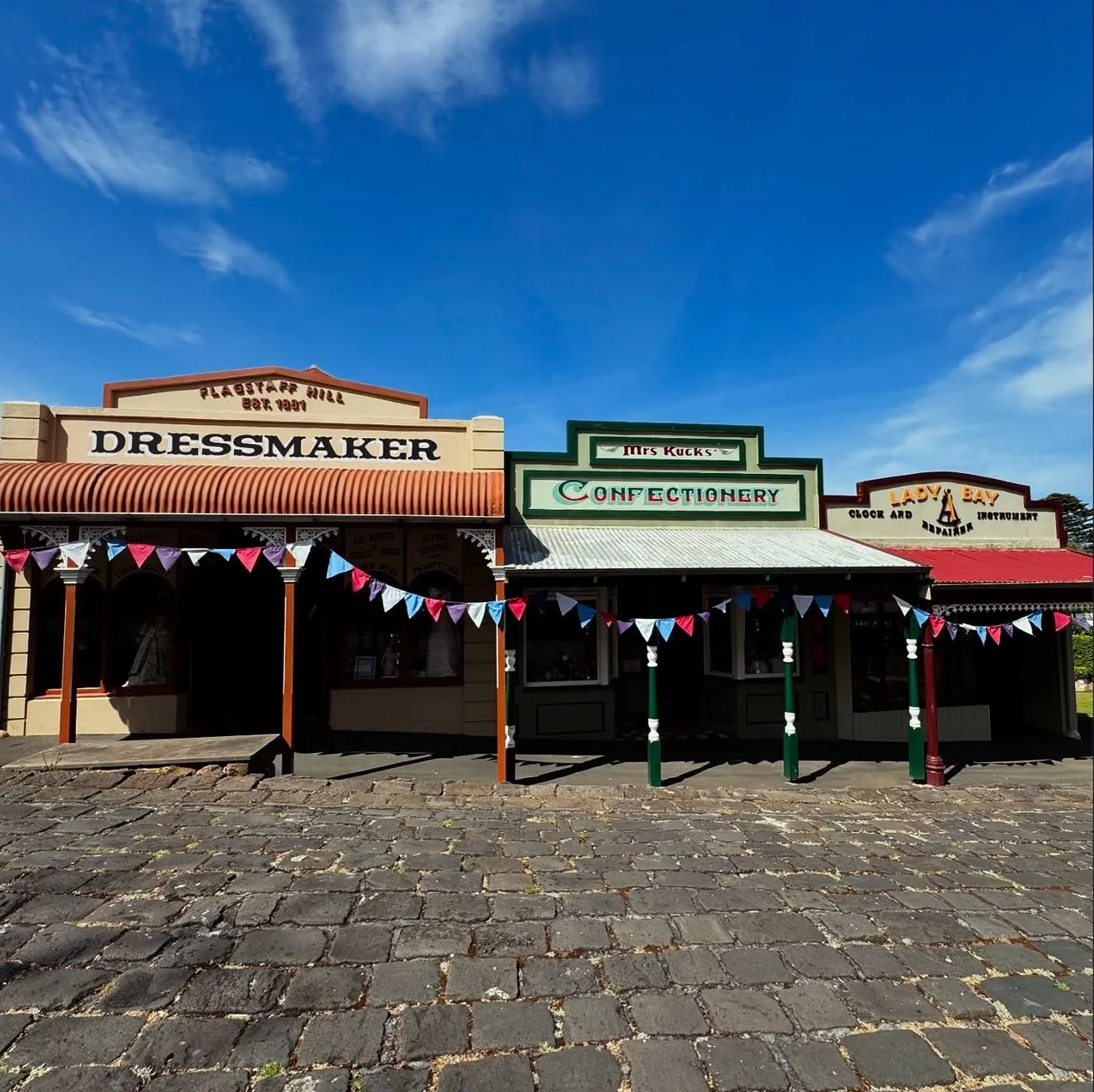
Best for: Whale watching, beach time, maritime history
Warrnambool is the end of the Great Ocean Road and a big town so you have plenty of time to chill before heading back. If you’re visiting during summer or May to October you might see southern right whales at Logan’s Beach, a gorgeous beach to escape to. The Flagstaff Hill Maritime Village is one of the coolest spots to visit along the way and gives insight into the region’s tourism industry and shipwreck history.
The town’s beach and stretch of sand is perfect for families to relax. As the largest village along the way Warrnambool has access to town amenities but still has that seaside village feel. Many Great Ocean Road day tours finish in Warrnambool before heading back to the city so you can experience the full Great Ocean Road.
Where to Stay:
- Deep Blue Hotel & Hot Springs (Luxury)
- Warrnambool Holiday Park & Motel (budget)
Final Tips
- Book in advance especially during peak season (December to February).
- Choose your stay type – luxury, budget or camping.
- Visit major attractions early morning or late evening to avoid the crowds.
- Factor in driving time so you have enough time at each stop.
FAQ
How many days do I need for the Great Ocean Road?
2-3 days is ideal to see the best stops, lookouts and coastal towns at a slow pace.
What’s the best time to visit the Great Ocean Road?
Spring and autumn has mild weather and fewer crowds, summer is the most popular time, winter is great for whale watching.
Are there petrol stations along the Great Ocean Road?
Yes, but they are few and far between. Fill up in major towns like Torquay, Lorne or Apollo Bay before you head further.
Can I camp along the Great Ocean Road?
Yes, there are many camping and caravan parks along the route, in Lorne, Apollo Bay and Port Campbell. Book ahead.
Is it safe to drive the Great Ocean Road at night?
You can drive at night but some sections are winding and unlit. Wildlife crossing the road is also a risk, so be extra careful.